
Spring-loaded connectors, or pogo pins, have become increasingly popular since prominent companies such as Apple and Microsoft started using them in their consumer products.
Pogo pins combine several advantages that set them apart from most other connector types. In this article we discuss those advantages and how you can leverage them in your design.
A brief history of pogo pins
Before we get to the 7 reasons, a short history. This connector type has been around for roughly 50 years. Engineers of the older generation will remember that pogo pins didn’t have the best reputation: they were often unstable, carried low current and were sensitive to vibration, which ruled them out for many applications involving data transmission.
With the rise of the semiconductor testing industry, spring-loaded test pins improved significantly. The advances needed to shrink them for the fine pitches of IC test procedures have carried over to consumer-grade pogo pin connectors. C.C.P. Contact Probes Co., Ltd., for example, produces pogo pins with heights of less than 2 mm, and diameters below 0.1 mm are not uncommon in our test probe portfolio.
So why are pogo pins so popular today, and what makes them a good fit for so many applications? Here are the reasons.
1. Lower cost
Most connectors are produced by stamping: a thin sheet of metal is pressed into shape by a mold. Pogo pins, in contrast, are produced by turning: a round piece of metal spins very fast while a sharp edge removes the material that is not needed.
The main difference between the two processes is the cost of the mold, which can be up to 5,000 USD. That cost has to be included in the calculation and can be a significant price factor. A sample calculation:
Connector price + mold fee ÷ quantity = final price per connector
0.4 USD + 3,500 USD ÷ 10,000 = 0.75 USD
In this example the mold increases the unit price by more than 80%. Especially for low-volume, non-standard connectors, pogo pins are the more efficient alternative.
2. A better user experience
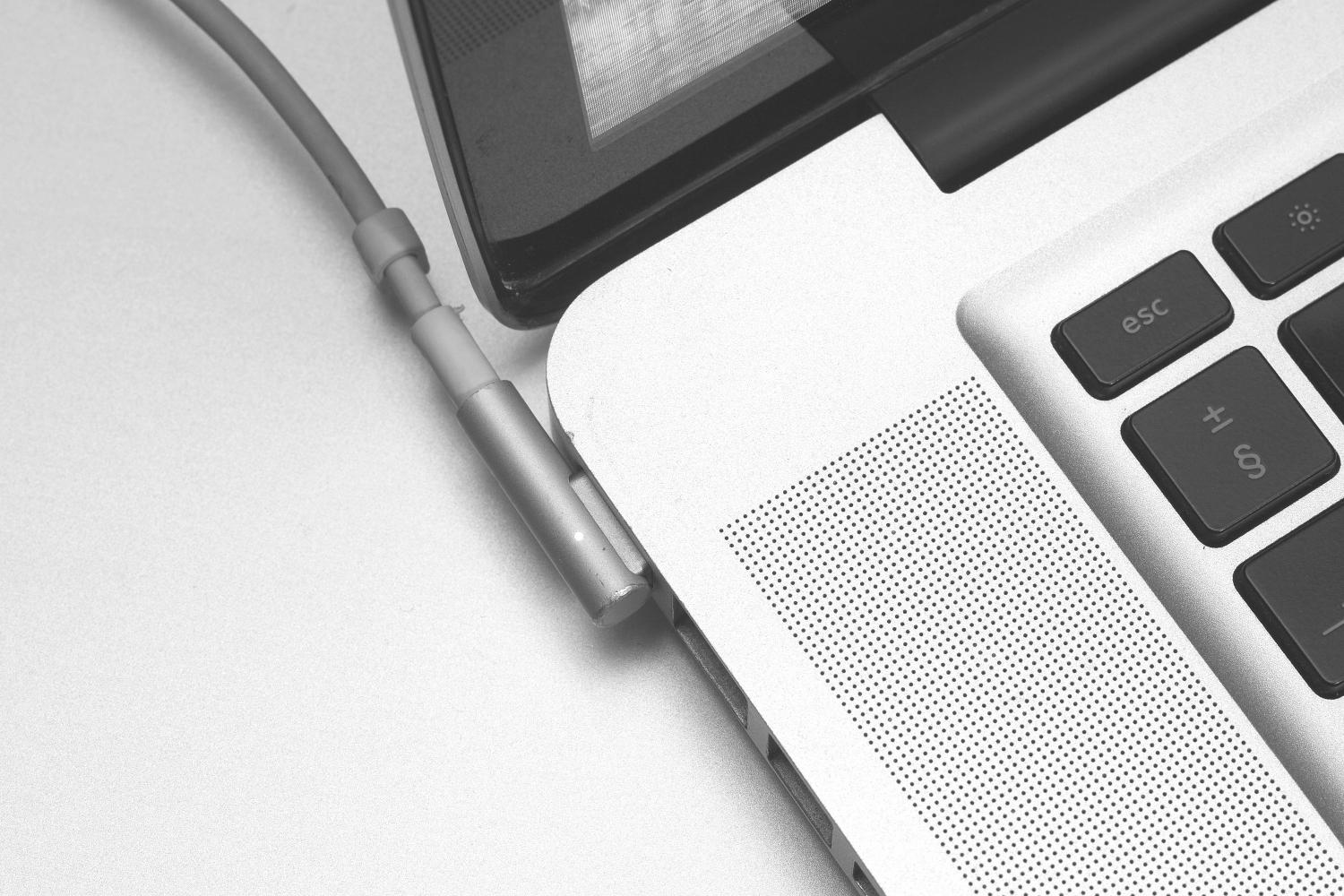
Spring-loaded connectors are convenient. Whatever your opinion of Apple products, the MagSafe charging cable was a great example: just snap it on, it aligns automatically, and it is simple to use. Small changes like this give users a “wow” effect and turn them into loyal customers.
Pogo pin connectors often bring exactly this kind of improvement, especially when they are designed to align automatically with the device.
3. The right connector for small spaces
Most connectors are either big and stable, or small and fragile. Pogo pins combine both advantages: they can be extremely small while surviving up to 1 million compressions. This comes from their spring design. A stamped flat spring concentrates strain at the bending corner, while a spiral spring distributes force evenly during compression, which allows smaller designs.
4. The most durable connector type
Spring-loaded connectors are extremely durable. Unlike other connector types, pogo pins are compressed vertically, and this one-directional compression greatly reduces wear on every part. When a conventional connector is inserted, two metal surfaces scratch against each other, which wears down the plating over time and reduces current-carrying capacity, especially when users plug in with force. This cannot happen with pogo pins: the only friction is between plunger and barrel, generated by an internal spring force that the engineer limits and specifies.
5. High tolerance
No other connector type offers as much travel as a pogo pin connector. This gives engineers and users a lot of freedom, and small production errors can be compensated by the working travel.
Take the LG G6 smartphone, which had problems with failing fingerprint sensors on the back cover. The phone used small flat-spring connectors touching the sensor contacts on the back cover. In warm climates the plastic back cover expanded and lifted the contact pads away from the connectors. A connector with longer travel, and therefore more tolerance for material deformation, could have avoided this.
6. Simple assembly
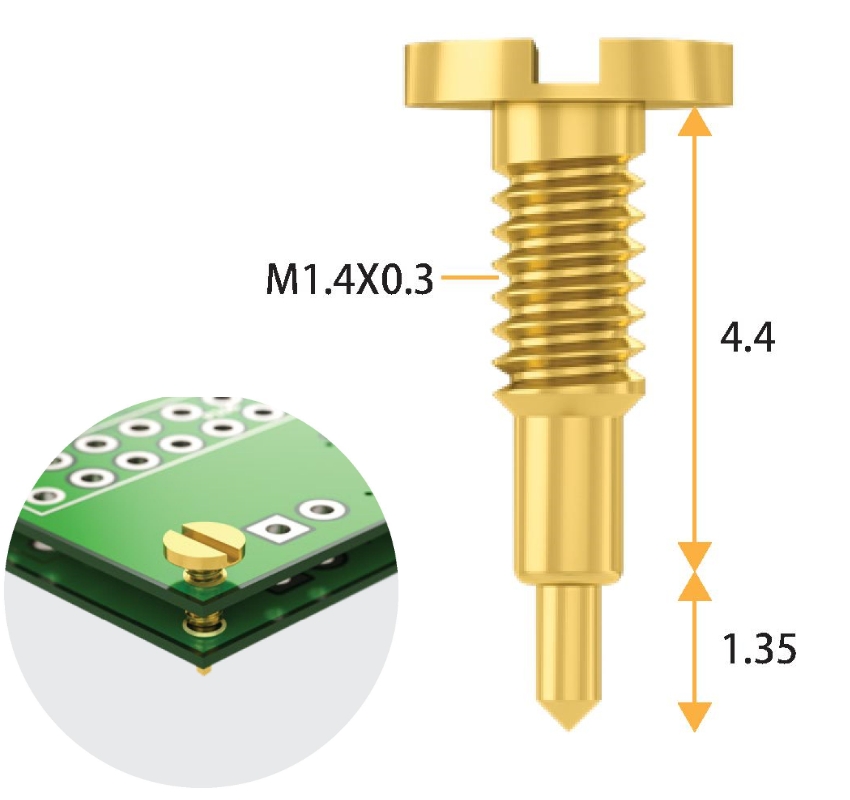
Assembly is one of the main considerations in device design. Manual connections are expensive and labor-intensive. With a pogo pin board-to-board connector, no manual alignment is needed: parts can be assembled quickly and with great flexibility in assembly order. With pins such as the screw pin, engineers can even combine mounting and connection in one part.
7. Stable current flow
Finally, pogo pins offer remarkably stable current flow. Each pin can be equipped with a specific spring force and design. A higher spring force presses the plunger more firmly against the barrel, which improves conductivity.
Designs such as the ball design and C.C.P. Contact Probes’s patented high current pogo pin improve current flow further. The key is to maximize the number of contact points between plunger and barrel, which reduces the chance of a momentary disconnection. During a disconnection the entire current may flow through the spring, which can melt it and ultimately cause the pin to fail.
Further reading
Read our introduction to pogo pins, see 7 mounting options for pogo pins, or browse the pogo pin search. For design questions, contact us.